
In Few Dengbejs Remain to Sing Kurdish Stories, Mat Nashed reports from Turkey’s Diyarbakır on the “House of Dengbej,” established to provide a venue for performances by traditional Kurdish storytellers: “We sing stories of love and war,” [Mehmet] Ince told Al-Monitor while lighting a cigarette in the house of the dengbej. “We express our history through … Continue reading Kurdish Storytellers Congregate in Southeastern Turkey’s Diyarbakır
Category: Türkiye (土耳其)
Çin Edebiyatından Kültür Devrimine Ergen Gözüyle Bakış: Wang Gang’ın İngilizce Romanı
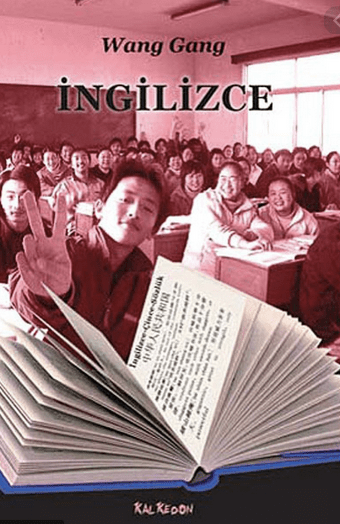
Ayşe Ünal Ersönmez (for English version, click here) Çin edebiyatının son birkaç yılda hem kendi ülkesinde hem de dünyada en ilgi görmüş örneklerinden Wang Gang’ın İngilizce adlı romanı, 2013 yılında Kalkedon Yayınları tarafından Nil Demir çevirisiyle Türkçe’ye kazandırıldı. Roman, Çin’in kuzeybatısındaki Sincan Uygur Özerk Bölgesinde yaşayan Çinli genç “Aşk Liu”nun delikanlılık dönemini konu alıyor. Aşk … Continue reading Çin Edebiyatından Kültür Devrimine Ergen Gözüyle Bakış: Wang Gang’ın İngilizce Romanı
土耳其语/英语字典:走马观花
去年来土耳其刚好一个月的时候,究竟买到了一本用得上的土耳其语到英语的字典: Fono Yayınları 出的 Türkçe-Ingilizce Büyük Sözlük。不容易啦--因为此类参考书主要是为了帮助土耳其人学习英语的,所以其重点不是我们英语为母语者感兴趣的那些。 非常高兴能翻一翻这本,因为作为初学土耳其语的我,现在的眼光是不会再有。许多土耳其语的说法看起来很新鲜、好玩,不马上做个纪录将会忘记的。 几年前,我也买了商务印书馆新出的《土耳其语-汉语辞典》,也写了个简短的述评。等我找到了,再上载。 大学时代读了日本平安时代清少納言写的《枕草子》,特喜欢她对朝廷里日常现象风趣的描写和 “分类”。为了方便阅读,下面我也把我新近 “逛字典” 时的一些零碎印象同样分类: 缺席的词语 几乎没有成语、没有奥斯曼帝国时代的说法,也很少提到跟伊斯兰教有关的东西。纯碎是现代语,感觉直接从英文翻译的词语非常多。很明显,这本字典的编辑继承了国父 Atatürk “现代化” 的精神。关于土耳其在 1923 年建共和国后的语言改革(主要是除掉来自阿拉伯语和波斯语的词汇),可以参考《The Turkish Language Reform: A Catastrophic Success》。 不过,Allah Allah! 这条还是有。街上一天能听到很多次,等于 “天啊!”或者西班牙语的 madre mía!。实际发音更像 Alla Hallah!, “H” 送气的音很重,听起来挺逗的。感觉虽然提的是真主,但一般不算严肃。 关于伊斯兰教前突厥民族独特的信仰,萨满教,只有两条:şaman(即 shaman)和 şamanlık(Shamanism)。想不到这么古老的、神圣的传统在 21 世纪的土耳其语没有其他有关的、值得列在字典里的说法。 自然语言 Babaanne: “father’s mother” (奶奶)。此称呼一点都不复杂!但当我问老师, “mother’s father”(外公)是否 annebaba,她莫名其妙。她先听不懂,后来强调,绝对不能用这逻辑!我的猜测:在这个男权社会里,男性做 “主”,称呼上也不能意味着是女人的附属。 混合物 Babalık testi: … Continue reading 土耳其语/英语字典:走马观花
阅读中:土耳其作家纳迪姆·居尔塞尔的《魔鬼、天使与共产党员》
伊斯坦布尔法国领事馆的图书馆对外开放,我几乎每几天在那儿复习土语、搞文学翻译、做白日梦。地方不大,但采购书的负责人很有品位。我最近借到了获得了 2013 年法国地中海奖(Prix Méditerranée)的外国作品奖,《L’ange rouge》。原文是土耳其语的 《Şeytan, Melek ve Komünist》。据我所知,本书至今没有中文版。 作为不愿意讨好官方的土耳其作家, Nedim Gürsel (纳迪姆·居尔塞尔)的经历是比较典型的:两次被告,部分作品 -- 《A Summer without End》和 《The First Woman》-- 有段时间被禁,后来他定居海外,在法国的大学教当代土耳其文学。80 年代被控诽谤当时掌权的军队;第二次是他 2008 发表的小说 《Daughters of Allah》被认为是亵渎宗教。不过,两次都没判有罪。 《L’ange rouge》围绕着二十世纪土耳其著名诗人 Nazım Hikmet (纳奇姆·希克梅特) 流亡东德和苏联的故事,涉及到伊斯坦布尔、柏林与莫斯科。虽是虚构的小说,但 Hikmet 确实是左派人士,1963 年在莫斯科病故。
土耳其文学翻译基金会项目:保加利亚语版本比中文多九倍?
土耳其官方在文学作品 “输出”正在学日本颇成功的老路。文化与旅游部下的 “土耳其文学翻译基金会” (TEDA) 至今一共资助 了 1,132 本土耳其语书的外译与出版。 目标语言的选择有时很微妙。五分之一是译成德文的,但这无可厚非,因为六十年代以来到德国工作之后流下来定居已经有三百多万土耳其人及其后代。部分这些青年甚至读不懂土语,必须通过德文才能接触土耳其文学。 排在第二位是保加利亚语,一共 194 本。保加利亚曾经是奥斯曼帝国的领土,如今人口七百万,等于上海人口的一半。 那么,得到翻译与出版资助的中文版本有多少呢?21 本,即保加利亚语版本的九分之一左右。不过,比中文版的数目更少的也有,包括荷兰文 (20)、西班牙语(20)和日文(5)等。(点击见原表)
Elif Şafak: Ballot-box Victory Is Not a License to Criminalize Criticism
Best-selling Turkish novelist Elif Şafak talks to Ceyda Nurtsch at Qantara.de about everything from the ill health of Turkey's democracy to when she prefers writing in Turkish vs. in English (Lack of Democratic Culture in Turkey): Ceyda Nurtsch: You were one of the writers who signed a petition against the recent Twitter ban in Turkey. In … Continue reading Elif Şafak: Ballot-box Victory Is Not a License to Criminalize Criticism
Chinese Authors in Turkish: Obligatory Pretty Face, Nobel Stamp of Approval
Since I arrived in Turkey in mid-June 2013 and resided in Ankara, Antalya and now Istanbul, I’ve seen 3—yes, 3—contemporary novels by Chinese authors in Turkish translation on bookstore shelves. Mind you, 2 of them I saw just a few weeks ago . . . and I go book-shopping at least once a week. They … Continue reading Chinese Authors in Turkish: Obligatory Pretty Face, Nobel Stamp of Approval
Elif Şafak’s New Novel: A Great Ottoman Architect, An Elephant and His Keeper
Dec 7 2014 update: Review of The Architect's Apprentice The author of eight novels including the best-selling and controversial Bastard of Istanbul, Elif Şafak, has just launched her ninth—Ustam ve Ben—in Turkish. The title literally means “My Master and I.” Curiously, though she wrote it in English, according to Sunday’s Zaman (Homage to Mimar Sinan) … Continue reading Elif Şafak’s New Novel: A Great Ottoman Architect, An Elephant and His Keeper
Wang Gang’s “Ingilizce” : Intriguing look at the Cultural Revolution for Turkish Readers
As China’s fiction “exports” pick up, it will be interesting to watch which novels and themes win an Exit Permit to foreign lands, and how they are received there. Take Wang Gang’s 《英格力士》, for instance. This semi-autobiographical novel set in Xinjiang during the Cultural Revolution was snapped up by Penguin, and rendered in English by … Continue reading Wang Gang’s “Ingilizce” : Intriguing look at the Cultural Revolution for Turkish Readers
Time to Open up the Orhan Pamuk/Mo Yan Monopoly to Competition?
At his press conference yesterday in Istanbul after a five-day stay in the city, Mo Yan called for the governments of China and Turkey to actively promote literary translation. “I could have [the] chance to read only the books of Orhan Pamuk as he was the only Turkish writer whose books have been translated into … Continue reading Time to Open up the Orhan Pamuk/Mo Yan Monopoly to Competition?
 Ethnic ChinaLit