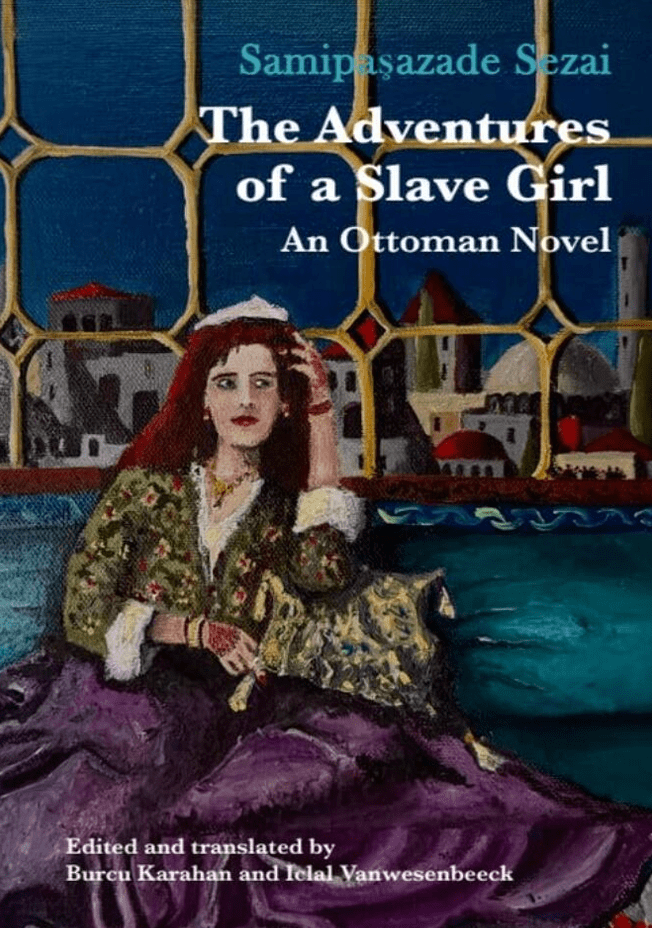
At Substack's Ottoman Encounters, historian Doga Ozturk reports: A new English translation of an important late 19th century Ottoman novel is coming out soon from Edinburgh University Press: Samipaşazade Sezai's Sergüzeşt: The Adventures of a Slave Girl, originally published in 1888, now translated by Burcu Karahan and Iclal Vanwesenbeeck. The novel follows Dilber, a Circassian girl sold into … Continue reading New English Translation, “Sergüzeşt: The Adventures of a Slave Girl”
Category: Altaic Peoples & Tales (阿尔泰各民族及其故事)
A Xinjiang Police Officer: Oppressor, Victim or Both?
In He Helped China Repress Uyghurs. He Says He’s a Victim, Too, NYT’s Li Yuan reports on a Han Chinese who was a full-fledged member of the machinery that China employs to force Xinjiang’s Uyghurs to abandon all aspects of their Muslim culture: Halfway through a short speech he was giving at the German Bundestag, Zhang … Continue reading A Xinjiang Police Officer: Oppressor, Victim or Both?
Dara Passano: Wrong Muslims, Wrong Place?
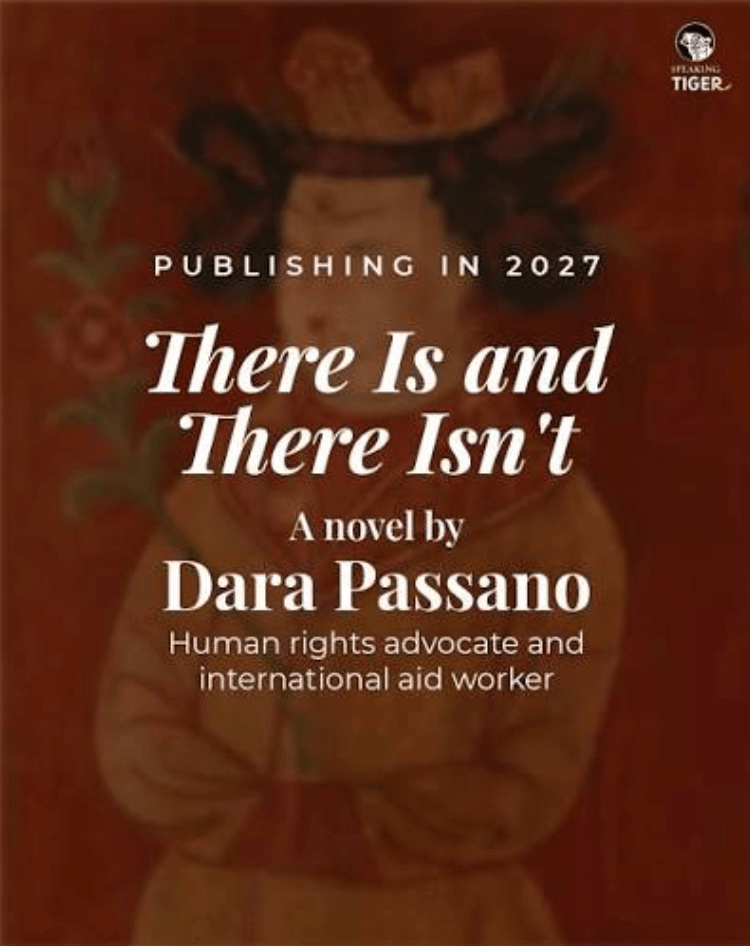
Not much fiction set in Xinjiang being published these days, but Dara Passano, who has worked in human rights and international aid for more than 20 years, relates: Six months from now I’ll be publishing a novel I started writing in 2003, when I was living on two dollars a day in western China and … Continue reading Dara Passano: Wrong Muslims, Wrong Place?
What We’re Reading Now: Reichl’s “Turkic Oral Epic Poetry”
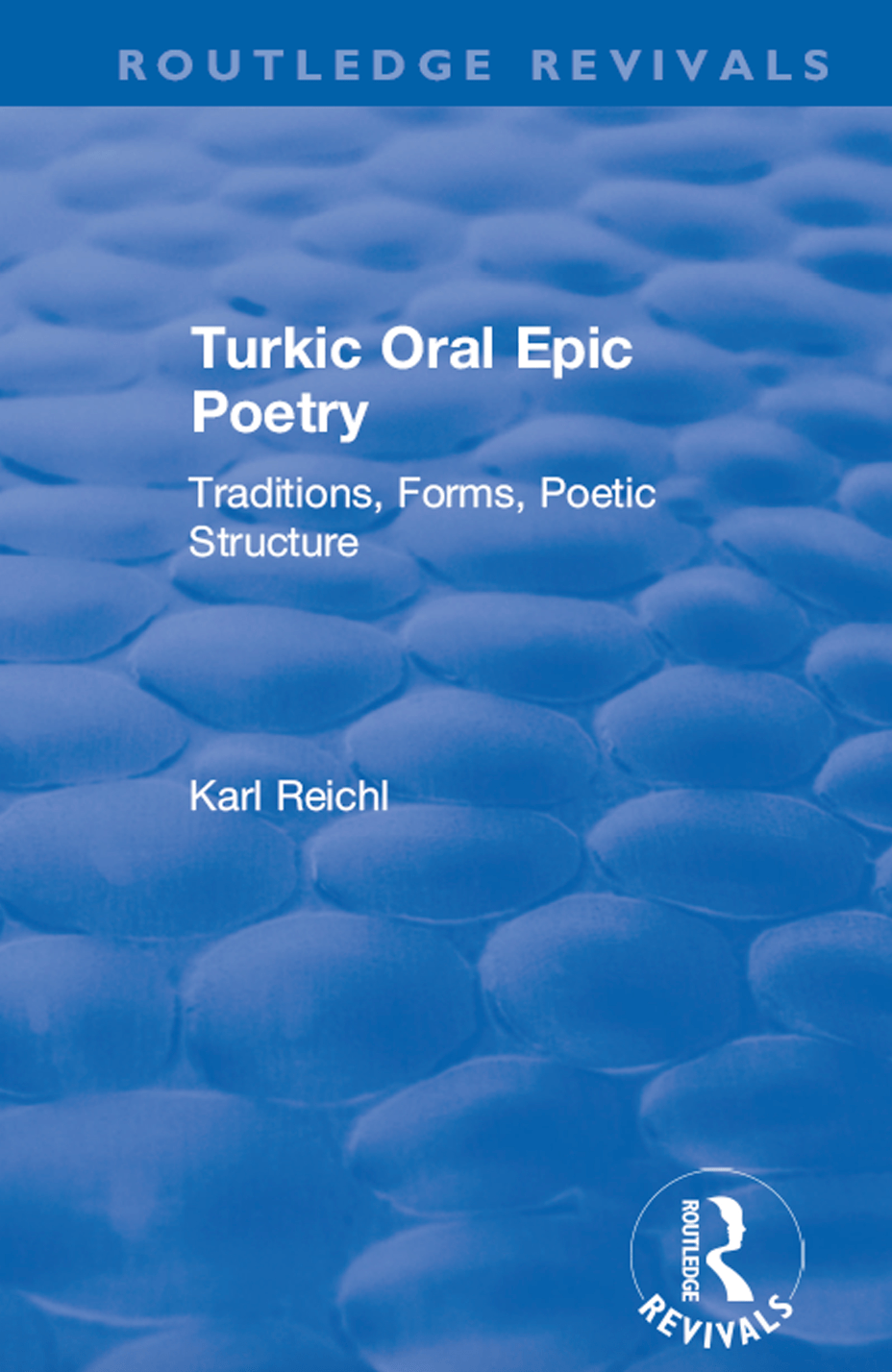
“One of the most fascinating aspects of shamanism for the student of epic poetry is the initiation of the shaman through sickness and dreams,” writes Karl Reichl in his Turkic Oral Epic Poetry. “These visions are paralleled by the initiation which epic singers experience in many traditions.” The recollections of Džanïbay Kodžekov, a Kyrgyz singer: One day … Continue reading What We’re Reading Now: Reichl’s “Turkic Oral Epic Poetry”
“Audible Annals of Abudan” (凿空): Liu Liangcheng’s Novel Set in Southern Xinjiang to be Published in English
The English-language rights to the novel《凿空》 by Liu Liangcheng (刘亮程) have now been purchased by UK-based publisher West Link Books. I co-translated it with Jun Liu (刘浚). Several years ago, we translated Confessions of a Jade Lord by the Uyghur author Alat Asem, which is also set in Xinjiang. Audible Annals of Abudan is set during the early 2000s in … Continue reading “Audible Annals of Abudan” (凿空): Liu Liangcheng’s Novel Set in Southern Xinjiang to be Published in English
Merey Speaks Out: Interview with Popular Kazakh Singer
The Times of Central Asia features an interview with Merey, a young female Kazakh singer, poet and lyricist who plays the dombra and finds inspiration in traditional Kazakh poets Mukaghali Makatayev and Fariza Ongarsynova: Kazakh cultural space is generally sensitive to newness and I love experimenting. My song Carpe Diem, where I touch on female sexuality in the Kazakh language, caused a … Continue reading Merey Speaks Out: Interview with Popular Kazakh Singer
Astana AI Film Festival 2026
Astana, capital of Kazakhstan, will host the Astana AI Film Festival (AAIFF 2026) this autumn featuring films created using artificial intelligence, reports the Times of Central Asia. The festival will bring together filmmakers, digital creators, representatives of technology companies, industry experts, and investors. See here for related news in Kazakh.
Turkish Cinema: Dissenting Voices Recognized at Berlinale
In A New Wave of Defiance, Turkey’s best-known contemporary writer in English – Kaya Genç – reviews two politically outspoken films that examine Erdoğan’s regime, Yellow Letters (Sarı Zarflar) by Ilker Çatak and Salvation (Kurtuluş) by Emin Alper, which won awards at the recent Berlinale film festival: Since the violent crackdown on the Occupy Gezi protests of 2013, an uncanny hush has dominated the … Continue reading Turkish Cinema: Dissenting Voices Recognized at Berlinale
Chinese and European Bias in their Perceptions of the Mongol Empire
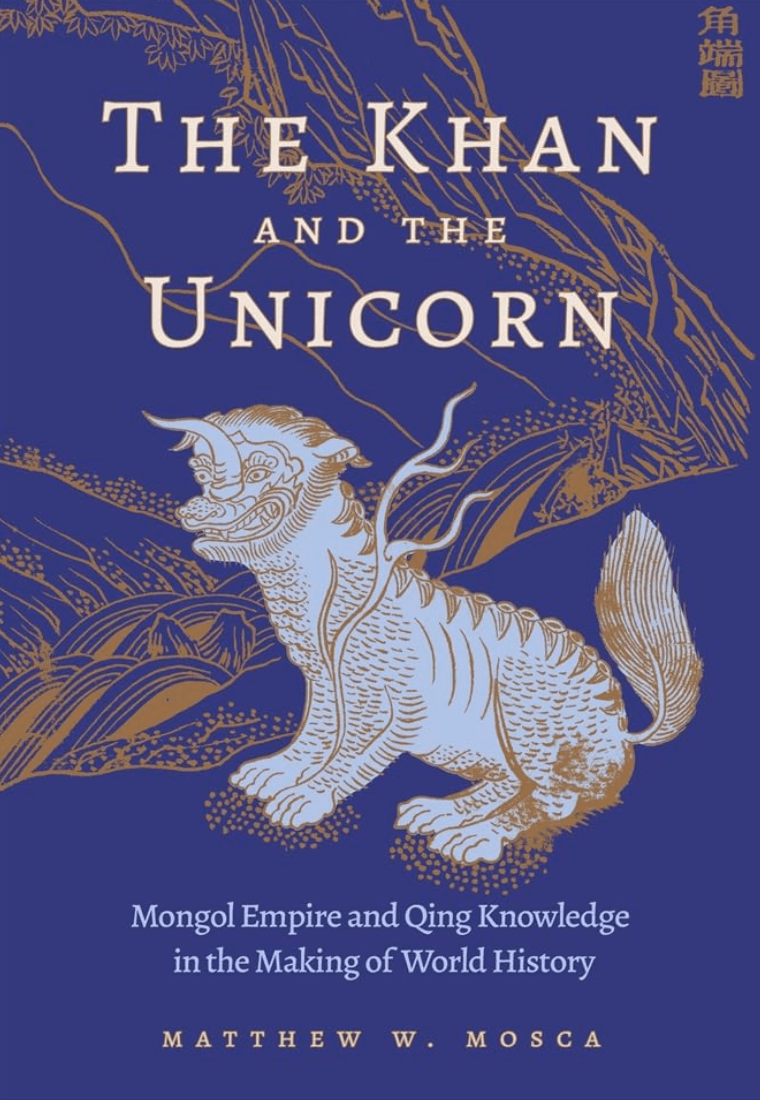
In this review of the newly published The Khan and the Unicorn: Mongol Empire and Qing Knowledge in the Making of World History, David Chaffetz points out shortcomings of both Chinese and Europeans regarding Mongol history: Chinese historians seeking to understand the life of Genghis Khan faced a number of obstacles, even though his Yuan dynasty … Continue reading Chinese and European Bias in their Perceptions of the Mongol Empire
Tengrism in Kazakhstan: Re-emergence under Gorbachev’s Perestroika
I listened recently to a Turan Tales podcast featuring an interview with Abigail Scripka, who did her master’s thesis on “Tengrism as a youth movement” among 18-to-30-year olds in Almaty during the 80s and 90s. Fascinating stuff. This is a wide-ranging interview that touches on a host of topics, including: Subtleties of the co-existence of Tengrism, Shamanism and … Continue reading Tengrism in Kazakhstan: Re-emergence under Gorbachev’s Perestroika