
Several years ago, I noticed that China was importing huge amounts of mineral resources from Africa, and busy signing contracts to collaborate in the long-term exploitation of even more. I wondered: But what was the People's Republic importing from Africa, in terms of 文化产品, i.e., "cultural products," an awkward, Marxist-sounding term that one often hears in Mandarin? To satisfy … Continue reading Q & A: The Status of Contemporary “AfroLit4China”
Author: xumushi
Chinese-to-English literary translator. Interested in topics such as fiction by the non-Han peoples of China, storytelling by Altaic peoples, and Silk Road cultures.
新疆回头看 — Xinjiang’s Ominous “Looking Back Project”
Uyghur poet's memoir recalls the Xinjiang administration's retrospective hunt for unPC content in textbooks once commissioned, edited and published by the state: Following the Urumchi incident in 2009, the regional government had initiated the Looking Back Project (新疆回头看). The Propaganda Department organized special groups to go over Uyghur-language books, newspapers, journals, films, television shows, and … Continue reading 新疆回头看 — Xinjiang’s Ominous “Looking Back Project”
Tibetan Saga Launched in English: “The Tragedy of the Modom House”
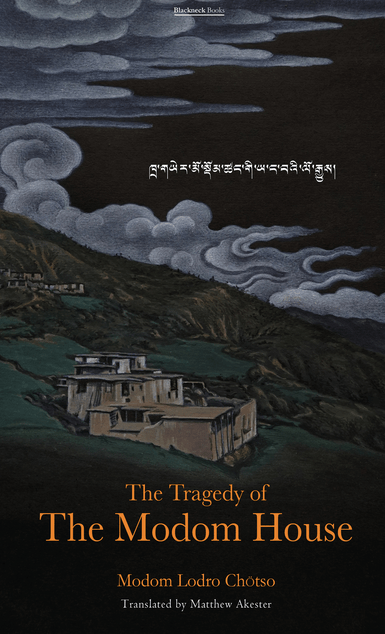
Press release for The Tragedy of the Modom House: . . . the gripping and tumultuous journey of Modom Lodro Chotso, the central character and her family, navigating the tumultuous landscape of Tibet under the Chinese occupation in the region of Kham Dagyab following the invasion. The book chronicles the harrowing account of Modom Lodro … Continue reading Tibetan Saga Launched in English: “The Tragedy of the Modom House”
Ethnic ChinaLit: What We’re Reading now — “Waiting to Be Arrested at Night”
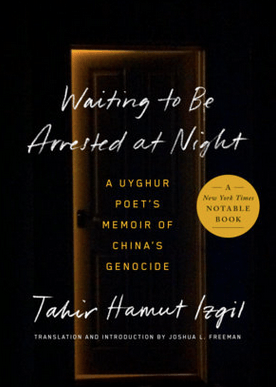
At Penguin's web site, Peter Hessler, author of River Town, has this to say about this novel by the Uyghur poet: Among our scattered glimpses of the Uyghur catastrophe in China — the digital surveillance, the mass arrests, the reeducation camps — it seems impossible to imagine the survival of any individual creative sensibility. But … Continue reading Ethnic ChinaLit: What We’re Reading now — “Waiting to Be Arrested at Night”
The Yi (彝族) of Southwest China: Transmission of their Written and Performed Literature, Old and New
Professor Mark Bender has brought to my attention the recent launch of the 422-page A World of Chinese Literature, which contains his short but fascinating article entitled Yi Literature: Traditional and Contemporary. It is an introduction to the "history, content and transmission of traditional and contemporary Yi traditions of written and performed literature." The Yi … Continue reading The Yi (彝族) of Southwest China: Transmission of their Written and Performed Literature, Old and New
Ethnic ChinaLit Quote of the Week: Diversity as Vulnerability
“In the world of rational thought, Genghis Khan is not a symbol of separatism,” said Christopher Atwood, professor of Mongolian and Chinese frontier and ethnic history at the University of Pennsylvania. “In the world of irrational paranoia, he might be.” (Cited in Xi’s Quest for Ethnic Unity Turns Genghis Khan Into New Danger)
“Tamgagui Tur”: Mongolian Theatrical Production Abruptly Cancelled in China
After completing a record-breaking 151 sell-out performances at the Mongolian State Academic Theatre in Ulaanbaatar, Mongolia, a planned run of performances in Inner Mongolia's Hohhot were abruptly cancelled by the Chinese authorities in September 2023. Not to be deterred, the stage production, entitled The Mongol Khan for British audiences, began a two–week run at the … Continue reading “Tamgagui Tur”: Mongolian Theatrical Production Abruptly Cancelled in China
A New Work on Matriarchy in China
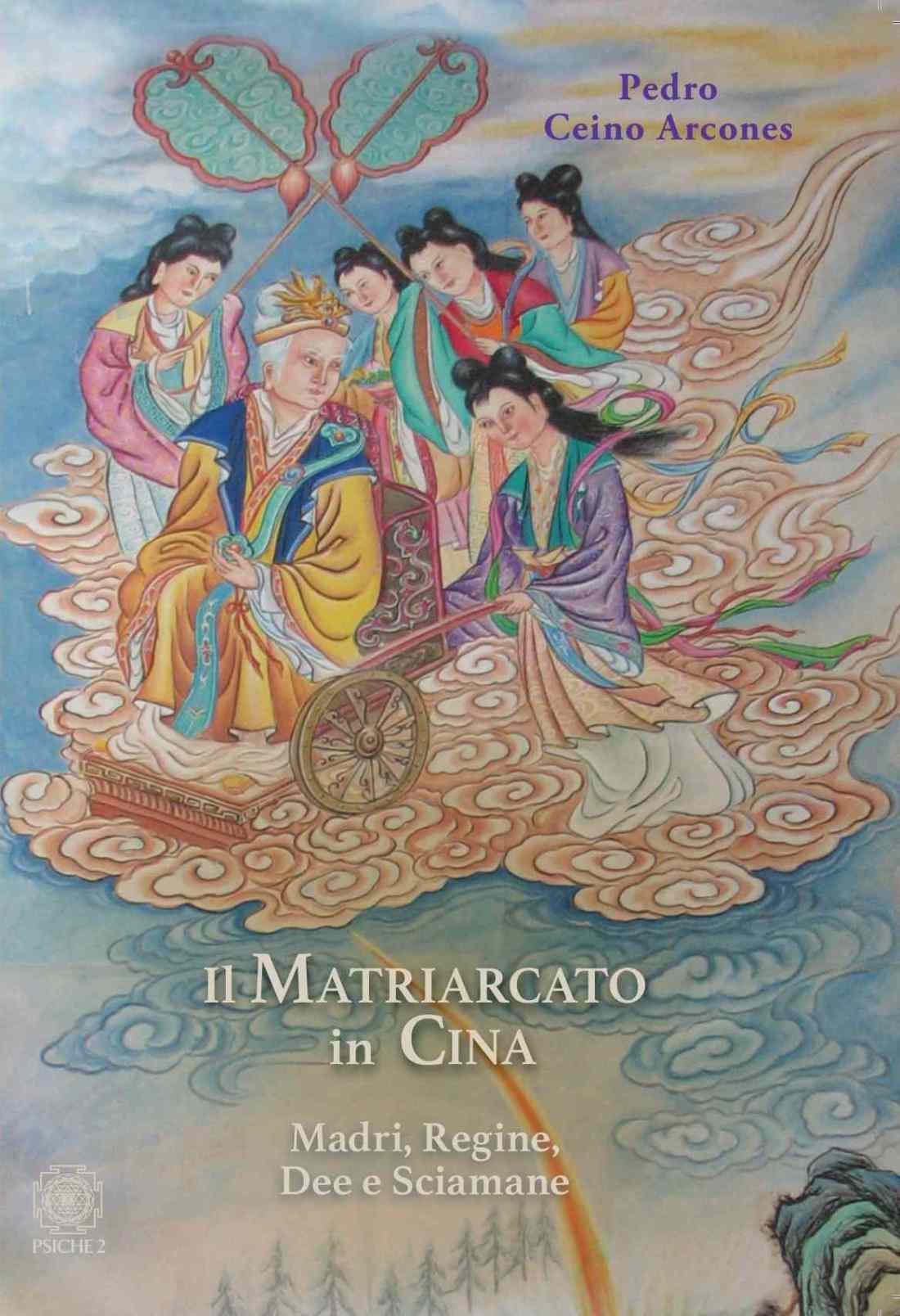
Pedro Ceinos, a long-time resident of Kunming, Yunnan, informs me that his work on matriarchy in China has just been published in Italian, Il Matriarcato in Cina: Madri, Regine, Dee e Sciamane. Topics include matriarchy in ancient China, matriarchy among the Tibeto-Burman peoples, and matriarchy among the Turkic and Mongolic peoples. Ceinos is also a … Continue reading A New Work on Matriarchy in China
Mosque “Consolidation” Campaign: Moving beyond Xinjiang into Gansu and Ningxia
In the recently released China: Mosques Shuttered, Razed, Altered in Muslim Areas report from Human Rights Watch, we learn that: The Chinese government is significantly reducing the number of mosques in Ningxia and Gansu provinces under its “mosque consolidation” policy, in violation of the right to freedom of religion, Human Rights Watch said today. Chinese … Continue reading Mosque “Consolidation” Campaign: Moving beyond Xinjiang into Gansu and Ningxia
Quote of the Week: On the Train to Lhasa

The carriage soundscape was a veritable clash of the dialects; the Hui women gossiping in guttural, Central Asian-tinged Mandarin, the Hongkongers hiking through the octaves as they debated the issues of the day in tonal Cantonese. (Excerpted from the just-published Harmony Express by Thomas Bird)
 Altaic Storytelling