
《额尔古纳河右岸》的外文版 Current Translations of the Novel Arabic (الربع الأخير من القمر); Dutch (Het laatste kwartier van de maan, translated direct from my English version); English (Last Quarter of the Moon); Finnish (Poulikku); French (Le dernier quartier de lune); German (Das letzte Viertel des Mondes); Italian (Ultimo quarto di Luna); Japanese (アルグン川の右岸) ; Korean (《어얼구나 강의 … Continue reading Foreign Language Editions of Chi Zijian’s “Last Quarter of the Moon”
Author: xumushi
Chinese-to-English literary translator. Interested in topics such as fiction by the non-Han peoples of China, storytelling by Altaic peoples, and Silk Road cultures.
“Daughter of Dunhuang”: Fan Jinshi’s Biography Launched at Moscow Book Fair
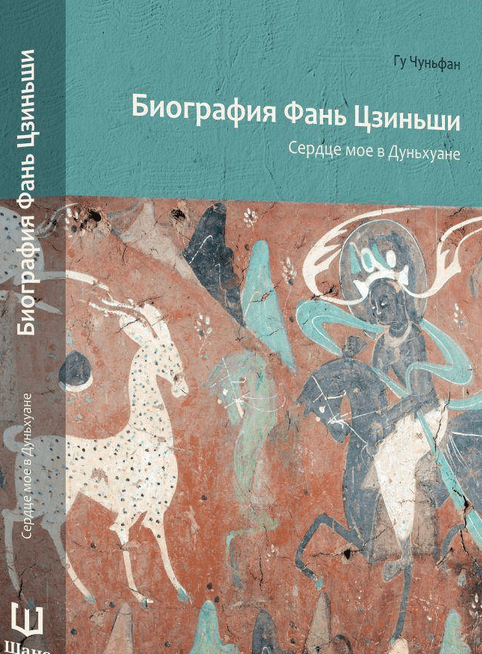
The Russian version of the Dunhuang-based archaeologist Fan Jinshi’s biography, биография фань цзиньши сердце мое в дуньхуане , has just been officially launched at the 2025 Moscow Book Fair. This makes it the second foreign language edition to date; my translation of her《我心归处是敦煌》(Daughter of Dunhuang: Memoir of a Mogao Grottoes Researcher) was published in 2024. … Continue reading “Daughter of Dunhuang”: Fan Jinshi’s Biography Launched at Moscow Book Fair
Shanghai Baby — Looking Back

In Never again Crazy like Wei Hui, popular novelist Zhang Yueran interviews the author -- now a therapist -- of that naughty, banned-in-China-at-the-turn-of-the-century novel, Shanghai Baby: Zhang Yueran: Can you talk about your early works? There's a lot in there that's incredibly valuable. Zhou Weihui: They can't be all bad, I suppose, but they aren't … Continue reading Shanghai Baby — Looking Back
What We’re Reading Now: Men and Gods of Mongolia
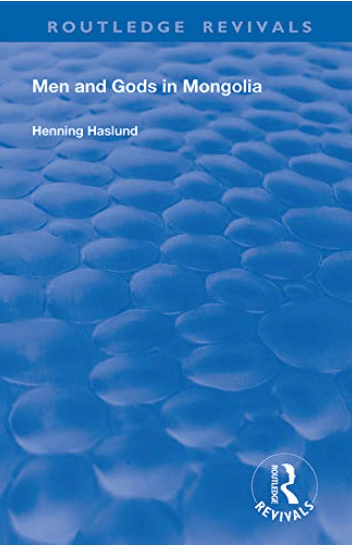
The difference between Camelus Dromedarius, the single-humped camel, and Camelus Bactrianus, the two-humped camel, is so fundamental that, as regards their habit of life and performance, they are no more to be confused than a team of Arctic dogs and a pack of Australian dingos. (Men and Gods of Mongolia, published in 1935 by Danish … Continue reading What We’re Reading Now: Men and Gods of Mongolia
Ikram Nurmehmet: Travails of Uyghur cinematography in the People’s Paradise
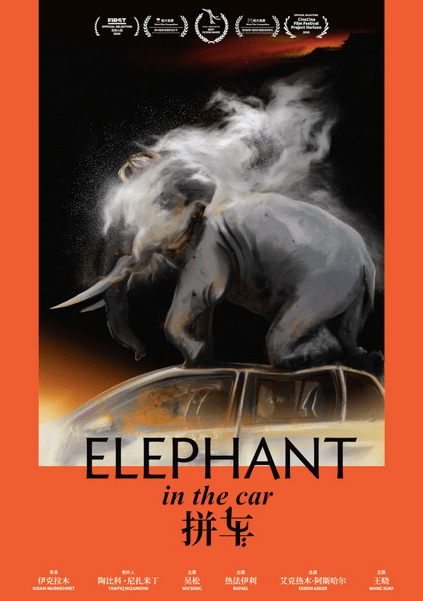
In Balancing What Can Be Said with What Can Only Be Implied, Shelly Kraicer explores the cinematic themes of young Uyghur filmmaker Ikram Nurmehmet, imprisoned in Xinjiang since 2023, likely due to having studied in Turkey: It is always difficult for what China calls “ethnic minority” (i.e. non-Han Chinese) filmmakers to make the films they … Continue reading Ikram Nurmehmet: Travails of Uyghur cinematography in the People’s Paradise
Trilingual Links to Writing by Xinjiang’s Liu Liangcheng (刘亮程)
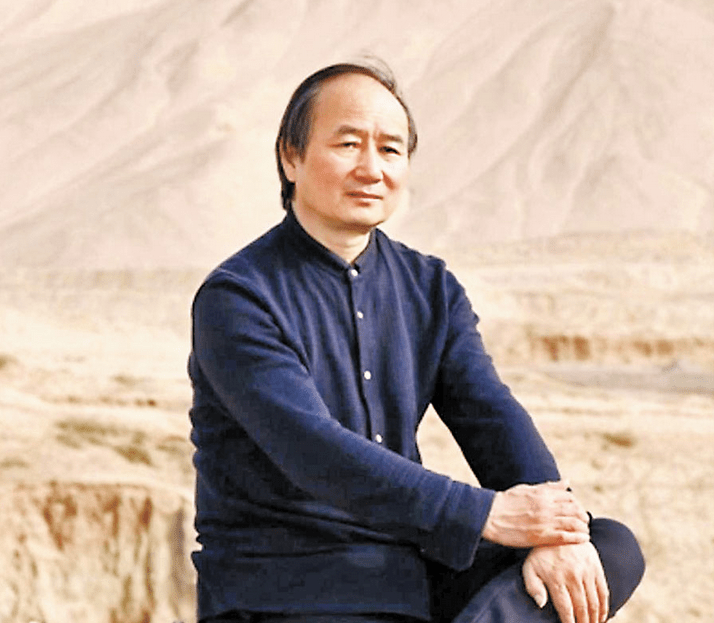
Jun Liu and I have completed our translation of a novel, 凿空, by Liu Liangcheng, a Han author born and bred in the part of northwest China that borders on Central Asia. The novel’s working title is The Audible Annals of Abudan, but the Chinese title can be rendered as “Hollowed Out.” Ms. Yvonne Wang … Continue reading Trilingual Links to Writing by Xinjiang’s Liu Liangcheng (刘亮程)
The Audible Annals of Abudan: Chapter by chapter breakdown
The Audible Annals of Abudan Chapter-by-Chapter Outline (42 in total) Prologue Donkey’s Hee-haw Donkeys bray crimson, and their crimson bray has propped up the sky for Abudan in southern Xinjiang for centuries. When Zhang Jin comes home stone deaf from a mine, he finds the village smothered in police sirens. 1 Digging Two decades of … Continue reading The Audible Annals of Abudan: Chapter by chapter breakdown
额尔古纳河右岸: German edition of Last Quarter of the Moon published

The newest foreign-language edition of Last Quarter of the Moon -- Das Letzte Viertel des Mondes -- has just been launched. Although Chi Zijian has been widely published outside of China, perhaps most of all in French, this edition of the tragic tale of the reindeer-herding Evenki is the first of her novels to appear … Continue reading 额尔古纳河右岸: German edition of Last Quarter of the Moon published
Synopsis: “The Audible Annals of Abudan” (梗概:《凿空)
Synopsis: The Audible Annals of Abudan (Based on the Chinese novel by Liu Liangcheng) Within your lifetime, many things will disappear before your eyes. Only those you yearn for won’t arrive. … Continue reading Synopsis: “The Audible Annals of Abudan” (梗概:《凿空)
Guide to “The Transparent Translator” posts
During 3-4Q 2025, I hope to write up the following: Thoughts on translating Shanghai Baby (上海宝贝) Thoughts on translating Last Quarter of the Moon (额尔古纳河右岸) Thoughts on translating Daughter of Dunhuang (我心归处是敦煌) Thoughts on co-translating Confessions of a Jade Lord (时间悄悄的嘴脸) Thoughts on co-translating The Abudan Chronicles (凿空) In the meantime, you can access interviews … Continue reading Guide to “The Transparent Translator” posts
 Ethnic ChinaLit