
凿空 (Zaokong): A Xinjiang Novel and its Enigmatic Title
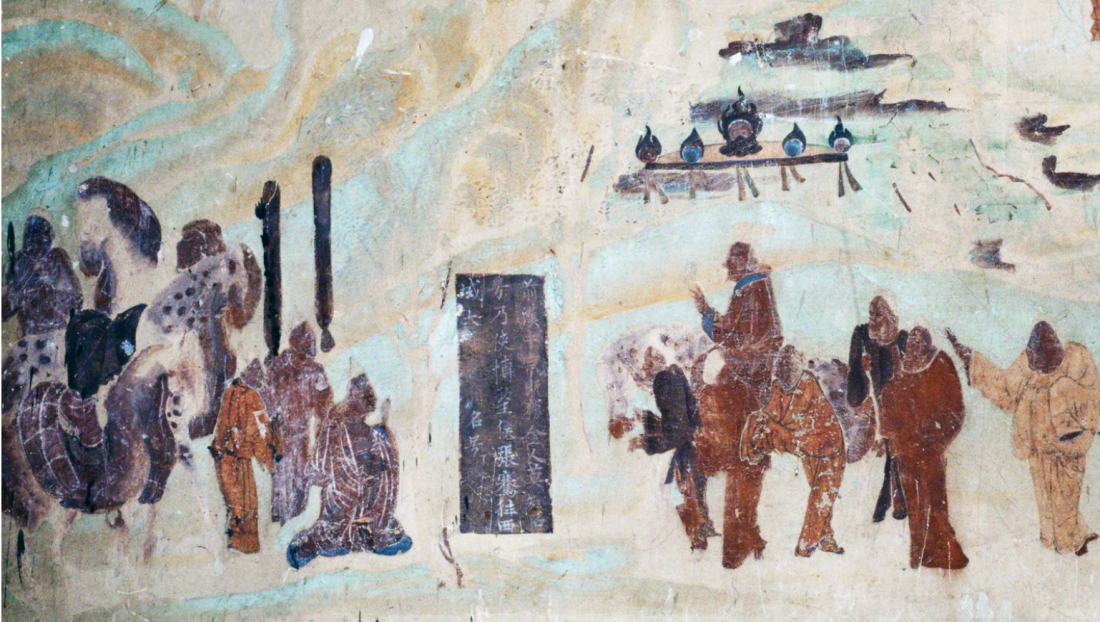
The book’s Chinese title, 凿空 (Zaokong), is layered in meaning. Abudan is literally being “hollowed out” by oil drilling and the villagers’ clandestine tunneling. Yet the title carries an older resonance. In 139 BCE, the Western Han envoy Zhang Qian set out under Emperor Wudi on a mission to the Western Regions (西域), an ancient name for … Continue reading 凿空 (Zaokong): A Xinjiang Novel and its Enigmatic Title

Synopsis: “The Audible Annals of Abudan” (梗概:《凿空)

Synopsis: The Audible Annals of Abudan (Based on the Chinese novel by Liu Liangcheng) Within your lifetime, many things will disappear before your eyes. Only those you yearn for won’t arrive.                                                 … Continue reading Synopsis: “The Audible Annals of Abudan” (梗概:《凿空)

Author’s bio: Liu Liangcheng (刘亮程)

Dubbed “China’s Thoreau,” Liu Liangcheng has sold well over one million copies of One Man’s Village alone and won top literary awards with subsequent works. “We are living in a time of great change for humanity,” says Liu, “but I am interested in the things that remain unchanged in rural life.” The author began with … Continue reading Author’s bio: Liu Liangcheng (刘亮程)

Abudan’s Mazar

The significance --- and even the definition --- of 麻扎 (mazar) plays an important role in Abudan Village, as portrayed in Liu Liangcheng's novel, The Audible Annals of Abudan (《凿空》刘亮程 著). In its first appearance in the tale, the narrator briefly defines it in brackets: . . .一块棉花地和一片麻扎(墓地)。 Simply put, mazar = cemetery. But that equivalency … Continue reading Abudan’s Mazar